
Involve more women in climate change action, State urged
OMBOKI MONAYO
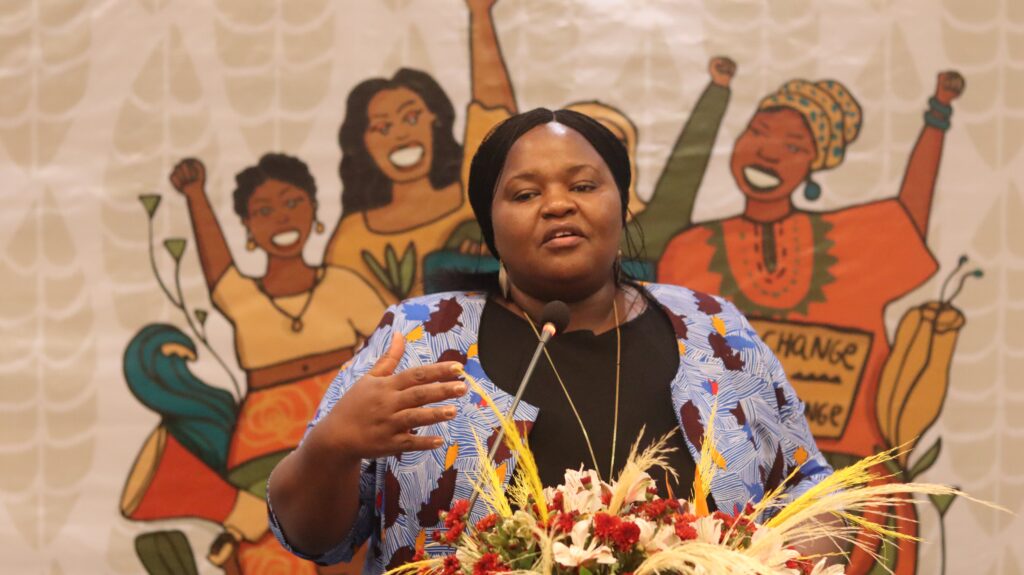
A pan-African feminist advocacy group says women need to have more seats at the decision-making table in climate change, urging climate action policymakers to make that happen.
Akina Mama wa Afrika made the call in Nairobi on June 4, 2022 at the launch of a climate justice guide dubbed the Intersectional Feminist Climate Action Guide.
The Secretary at Kenya’s State Department of Gender Faith Kasiva reassured participants who included civil society organisations (CSO) representatives and other stakeholders of the government’s commitment to mainstreaming gender issues including the comprehensive empowerment of women.
“The government is trying its best to engage with other non-state partners including CSOs,” said the state gender official.
She added that the gender department was working with other sectors of government to address the effects of climate change on vulnerable communities, including women and children.
“In our current efforts to design and implement policy and actions to mitigate climate change, we are collaborating with the Environment ministry’s climate change directorate and other partners,” Ms Kasiva said.
She called on gender advocacy groups to inform the government of the prevailing gender concerns through her office, adding that it was open to workable proposals.
“We welcome various stakeholders to constructive dialogue on climate change and how best to go about it while leaving no one behind, including women, vulnerable minorities and children,” she said.
The government was set to review the existing gender action plan with a view to fine-tuning it to accommodate the rapidly changing climate-related needs for marginalised groups, Ms Kasiva explained.
“We will be doing a mid-term review of a gender action plan to see what we have done well, and what we need to improve going forward,” she said. “There is room for improvement,” said Ms Kasiva.
According to the Akina Mama wa Afrika Executive Director Eunice Musiime, Africa contributes only 3.8 percent of greenhouse emissions.
“Africa’s emission levels constitute only 3 percent of global greenhouse emissions. This compared to 23 percent produced by China, 19 percent by the US and 13 percent by the EU. Despite this, the global south, particularly Africa, faces a disproportionate impact of the consequences of these emissions, that is the climate crisis,” said Ms Musiime in Nairobi.
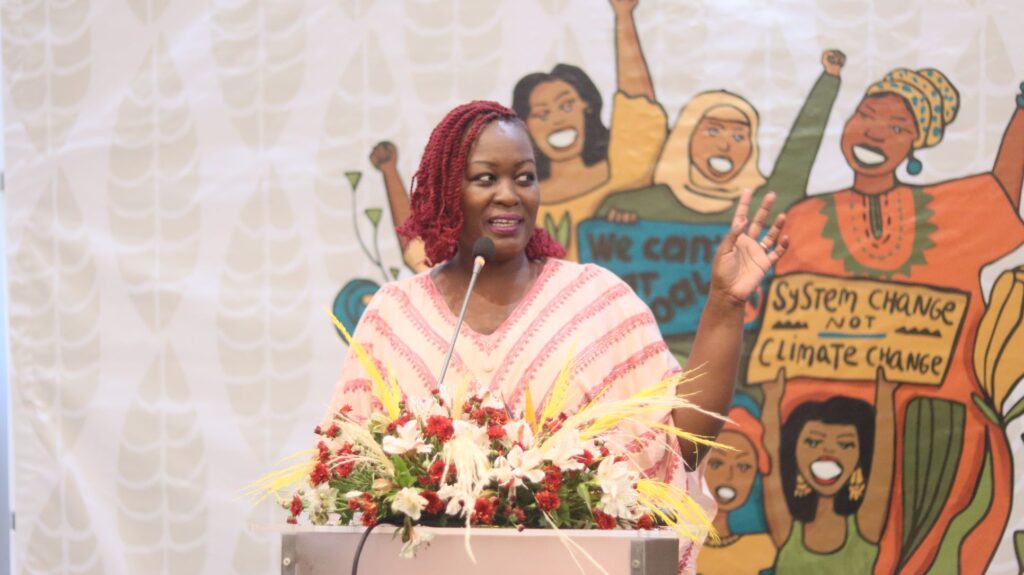
She observed women faced broadly similar challenges but were unequally disadvantaged based on their economic status.
“While women share similar experiences of discrimination, harassment, sexism, inequality and oppression on the basis of their sex and gender, not all of them are equally disadvantaged or have equal access to resources, power and privilege,” Ms Musiime noted.
She recounted her bittersweet experience as a feminist, saying that she has had a sometimes strained relationship with the Ugandan government, adding that it has only fueled her desire to secure a better future for the continent’s women and children.
“Sometimes I would be included in State delegations or forums and excluded from others. It has been a seesaw relationship that has trained me to be resilient and focused to keep up the fight for the empowerment of women with my colleagues,” Ms Musiime recalled.
The feminist group’s call comes as UN member states prepare for the 27th session of the Conference of the Parties (COP 27) to the United Nations Framework Convention on Climate Change (UNFCCC) that will take place on November 7-18, 2022 in Sharm El-Sheikh, Egypt.
UNFCC which came into force in 1994 now has 197 member countries that have signed its convention. These and representatives from many other sectors will convene to assess progress made in addressing climate change since the Glasgow COP26 held between October 31 and 12 November 12, 2021
COP 27 was originally expected to take place on November 8-20, 2021. As a result of the COVID-19 pandemic, COP 26 was, however, rescheduled from November 2020 to November 2021.
Consequently, COP 27 will take place from November 7-18, 2022.
The feminist guide outlines the action points for climate justice that includes women, indigenous communities and other vulnerable minorities.
The African Women’s Development and Communication Network (Femnet) Executive Director Memory Kachambwa recalled the damage by Hurricane Idai on Mozambique and Malawi.
“We have families that lost loved ones, homes, property and livelihoods. Some are living in tents to date, with no source of income. As a result of the crippling poverty and deprivation caused by the disaster, their children are now getting married off at an early age, further exposing them to economic and social adversity, “said Ms Kachambwa.
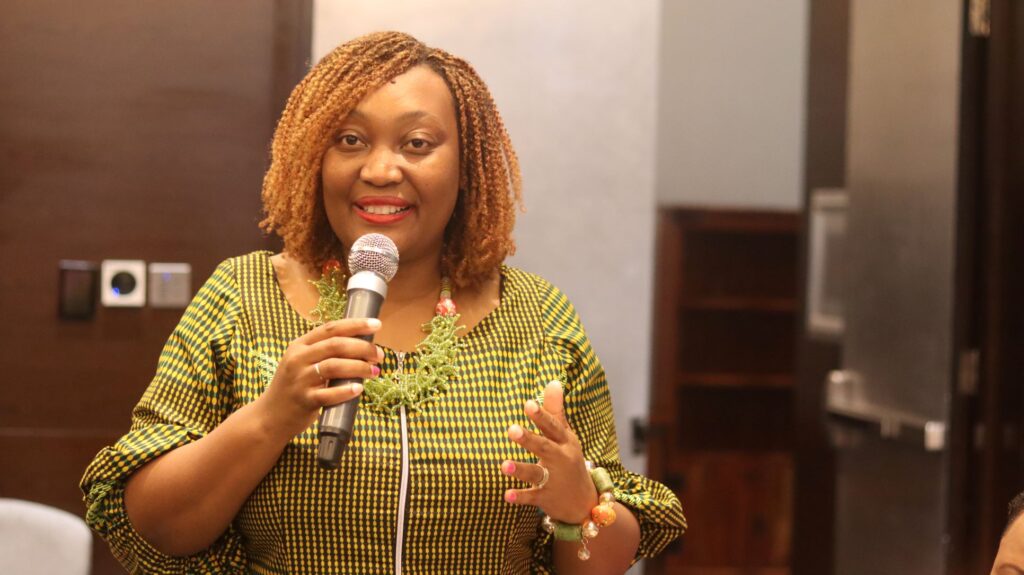
She said the USD1 billion worth of aid so far disbursed to mitigate the crisis had not made a positive impact on the status of women refugees and their children.
“None of the USD 1 billion for survivors has come to the ground where the women need it the most. We need to hear the stories from the affected, and use them as a weapon to push our agenda at COP27,” said the Femnet boss.
Akina Mama notes that the global south women “are affected at a higher rate because they already face peculiar social, economic and political barriers that limit their coping capacity”.
The phrase “global south” is used to describe the low-income and often politically or culturally marginalized regions of Latin America, Asia, Africa, and Oceania.
Social scientists Nour Dados and Raewyn Connell also explain the label as “an allegorical application of categories to name patterns of wealth, privilege, and development across broad regions”.
According to Coalition for Grassroots Human Right Defenders Kenya founder Rachael Mwikali, it was time to recognize and appreciate the right of African women of all sexual orientation to justice and equal treatment.
“Women of all sexual orientations, shades and persuasions have an equal right to reproductive health services including menstrual health management packages. They also deserve equitable and sustainable to access to water, sanitation and hygiene, as well as equal education, political representation and employment opportunities,” said Ms Mwikali.
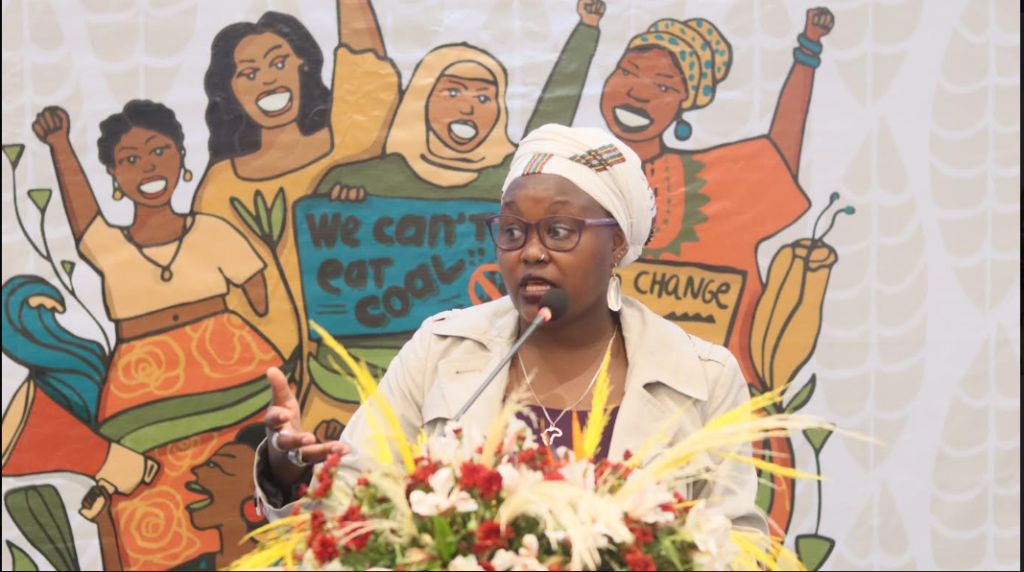
“It’s not a favour we are asking from anyone but our fully deserved rights as humans beings and part of society,” added the human rights activist.
Cellyne Odhiambo, a Siaya based gender rights advocate, says Kenya stands to lose if nothing is done to drastically address the disenfranchisement of women in far-flung pastoral regions.
“Another generation of women stands to lose significantly from the cost of inaction about the child marriages in West Pokot. We have long suffered from a homogeneous perception of Africa. The donors tend to paint us with the same brush which has led to attempts to apply a set of generic but misplaced solutions to varied problems,” said Ms Adhiambo.
“Allocations to projects and interventions have been turned into a campaign tool as opposed to being used to drive real and meaningful change,” added the activist.
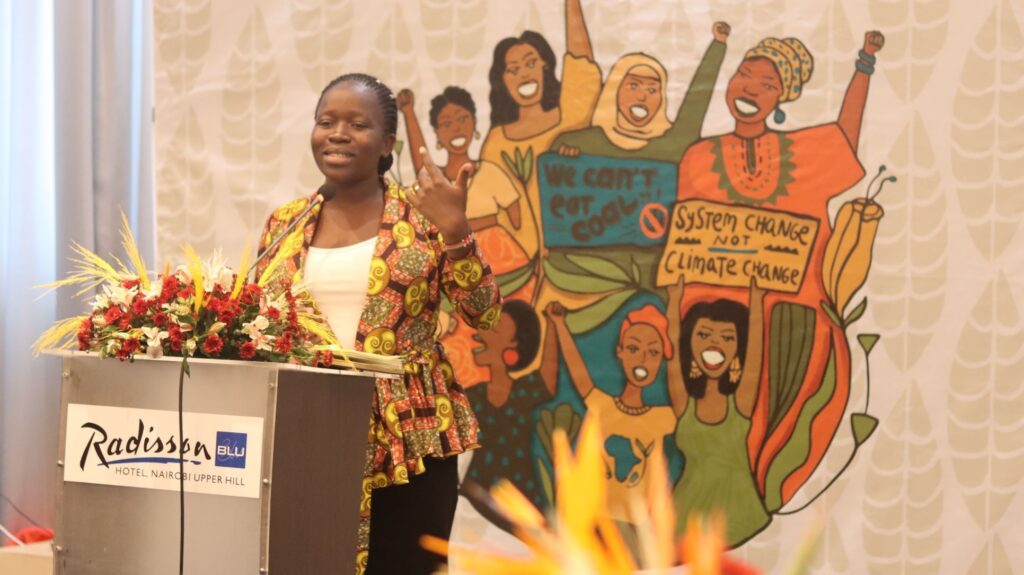
Ms Odhiambo called for the COP27 organizers led by the UN to recognize the intersectionality of climate change, gender inequalities, health, agriculture, environment and economics in the drive by women and children to achieve climate justice for Africa.
On her part, author, journalist and anti-cancer advocate Ms Mildred Ngesa said modern farming systems were marginalizing women, who often tend the farms and are responsible for producing food for their households.
“Seed colonization, which poses a major threat to subsistence farming across the continent, has not yet been addressed. For instance, we have a law that is soon coming to prevent Kenyans from planting potatoes in their backyards without a licence,” said Ms Ngesa .
She added that such attempts to prevent the use of harvested seed to replant crops as a new way to take away the autonomy of women to decide which seed varieties to use in planting traditional food crops.
Ms Ngesa urged women to empower their communities by highlighting the adverse effects of climate change on people’s health.
“How many of us can define climate justice? Is climate changing affecting the health of women? So many are suffering from breast cancer and other types of cancers and lifestyle diseases. What are we doing to spread awareness on the danger it poses?” she posed.
According to Ikal Angelei, who is Program Coordinator for Friends of Lake Turkana, Kenya, the donor funding system was skewed in men’s favour, leaving women at a disadvantage.
“Most of the social and cultural systems have been mobilised to marginalise women,” said Ms Angelei, whose Friends of Turkana lobby is dedicated to stopping plans to build the Gibe 3 Dam in Ethiopia.
She added that the lopsided setup had overseen the resulting lack of access to funding among a significant proportion of women.
“African women are not currently benefiting from the economic model which is extremely capitalistic and designed to perpetuate traditional models of patriarchal domination of the means of production,” Ms Angelei said.
She bemoaned the rise of large-scale, commercial fertilizer-based farming systems as an obstacle to wholesome diets.
“The modern farming systems that depend on mechanised cultivation, fertilizers, herbicides and pesticides are denying women working on family land the right to grow organic foods that can promote better household health,” she said.
