
Low condom use fuels HIV, STI, unplanned pregnancies
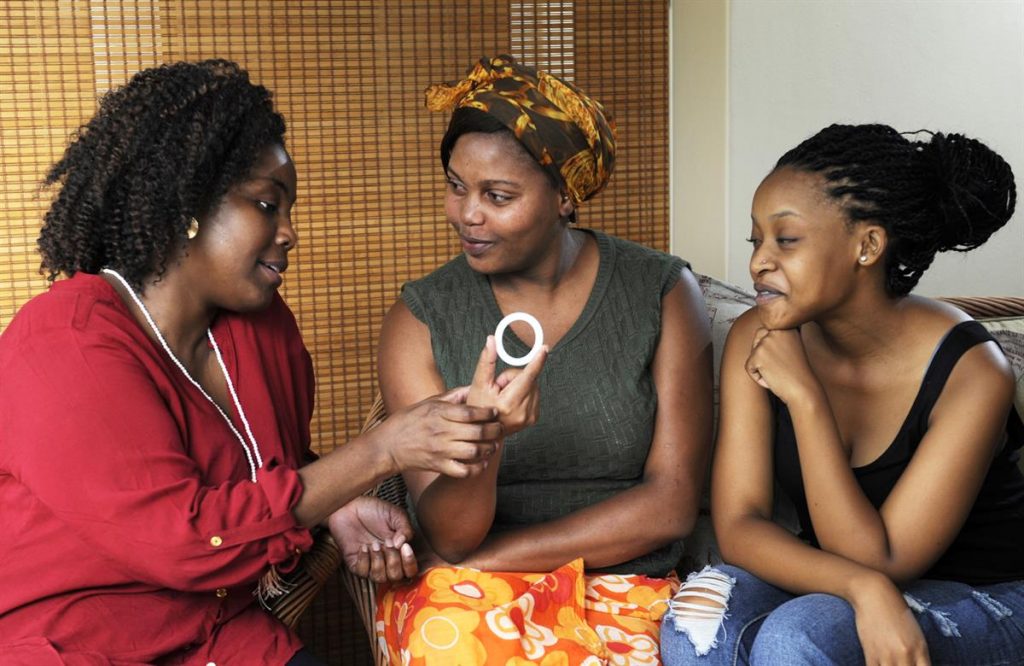
It is difficult for us as women to negotiate for condoms to be used during sexual intercourse. This is because sex is about sensations and most men love to ‘hit it raw’ to experience its full range of pleasurable sensations.
By AGGREY OMBOKI
National Aids Control Council (NACC) statistics indicate that a Kenyan man uses 14.3 condoms per year on average. This is despite the prophylactic being 98 percent effective in preventing HIV and sexually transmitted infections (STIS).
This level of condom use is disappointingly low compared to the global average of 40 condoms used per man annually.
According to World Health Organization (WHO) data, correct and consistent condom use prevents at least 200 million unplanned pregnancies and 700 million syphilis cases per year.
Despite vigorous and sustained public health campaigns, Kenyan men are yet to widely adopt the condom as their premier tool of protection against HIV infection.
In a NACC report released on November 17, 2021, at least 68.9 percent of men aged between 15-29 years reported using condoms. In contrast, just 37.5 percent of females in the same age bracket reported using condoms.
The country needs 455 million condoms yearly. As part of efforts to address this requirement, the state provides 1.6 million condoms monthly for free distribution in dispensers and health facilities.
Condom availability is also subject to several challenges, including a current shortage that has been blamed on high taxes levied on condom shipments despite being donations. The resulting impasse over the taxation drove some donor agencies to reroute their shipments to other countries.
According to CAS Mercy Mwangangi, the government is committed to restoring the required supplies.
“Together with our partners we have secured resources and we should be able to give further information on when to expect these forthcoming deliveries into the country,” she said on Friday.
The CAS was, however, quick to assure women that the female condom was in plentiful supply, adding that medical staff would train them on available contraception methods once they visited health facilities.
“Even as we have a shortage, we have sometimes seen excesses of the female condom and if Kenyans go to health facility they will meet nurses who will take them through the different methods that are available,” said the CAS.
In 2020, Global Fund data indicated that almost 20 million condoms were distributed in the country.
Kenya National Aids and STI Control Program (NASCOP) Nascop chief executive Dr Catherine Ngugi is calling for an intensified campaign to promote condom use countrywide.
“From the data, we can see that there is need for nationwide escalation of efforts to promote condom use as a reliable barrier method against HIV and STIs as well as unplanned pregnancy and mother to child transmission of HIV,” Dr Ngugi said in Nairobi Wednesday.
This low use of the effective, cheap and widely available barrier method has also affected the country’s battle to keep new HIV infections to a minimum.
In 2020, Nascop reported a 41, 408 new infections in the country with an estimated 1.3 million people living with the virus.
The possibility of new infections resulting from young people engaging in unprotected sex looms large over the findings. An estimated 62 percent of these new cases were aged between 15-29 years.
A fact worth noting is that reported cases involved individuals that were tested for HIV. It is not known how many individuals living with the virus and are yet to be tested and put on free antiretroviral (ARV).
Despite the gradual but substantial increase in condom use, safe sex and family planning remain a distant option for many men in the country.
According to positive living advocate Joyce Auma, it is hard for women to negotiate condom use as many men prefer unprotected sex.
“It is difficult for us as women to negotiate for condoms to be used during sexual intercourse. This is because sex is about sensations and most men love to ‘hit it raw’ to experience its full range of pleasurable sensations,” she said using a popular phrase that denotes unprotected sexual activity.
Ms Auma said that previous condom use campaigns targeting women had ran into rough winds due to the erroneous perception among men that a woman who carries condoms around is ‘loose’ and sexually immoral.
“As women, we stand in danger of being accused of sexual promiscuity if we identify ourselves with the practice of carrying condoms in our purses or handbags. It is a false but widely held misconception,” the community development undergraduate student told the Woman’s Newsroom.
NACC chief executive Dr Ruth Laibon Masha said the government was planning to increase the annual demand for condoms up to at least 510 million male condoms and 8.5 million female condoms.
Even more worrying about the country’s current condom situation is the prevalence of unprotected sexual activity among minors.
Recent data published by the Kenya Health Information Systems survey shows that 20,803 teenagers conceived countrywide between January and October 2021.
This includes 2,839 teenagers in Nairobi County alone.
Unfortunately, the number of perpetrators prosecuted for defiling the minors did not match the number of teens that got pregnant.
Despite the gradual, but substantial increase in condom use countrywide, safe sex remains a myth for many men.
In most religious teachings around this region, condoms are seen as obstacle to God’s plan. In some denominations, they are demonized as an enabler for promiscuity and a barrier to the unprotected sex that God intended for procreation.
Such extreme religious doctrines have contributed to the negative attitudes that surround condom use in the country.
Dr Masha has said there is need to do away with retrogressive doctrines that forbid sex education and indirectly promote acquisition of the virus through reckless sexual behaviour.
Such doctrines, she said, should be discarded in favour of comprehensive sexual education for the sexually active youth, including in religious settings.
“It is time we learnt to abandon some of these doctrinal restrictions on sex education. Quite simply, it is time to tell the youth the truth so that they can make informed decisions on how to protect themselves,” she said.
